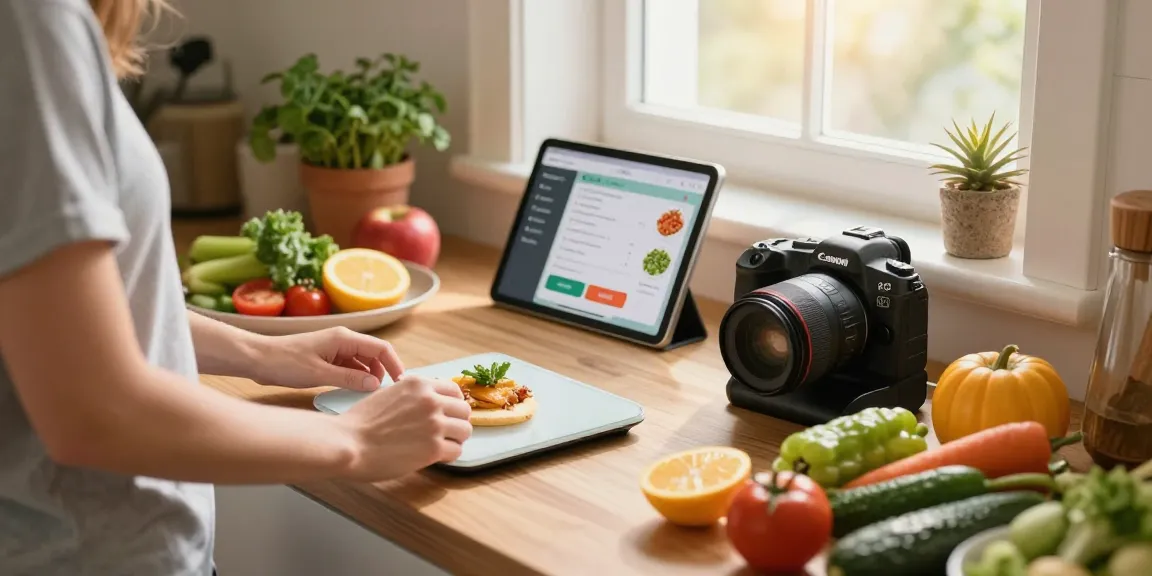
Understanding the Best Nutrition App Landscape
As our dietary needs become increasingly complex, navigating the myriad of nutrition apps available can be daunting. With the rise of health consciousness and the need for personalized dietary plans, the demand for effective nutrition tracking solutions has never been higher. In 2026, choosing the best nutrition app is all about aligning features with individual health goals, whether that’s weight loss, muscle gain, or simply maintaining a balanced diet.
What Defines a Top Nutrition App?
A top-tier nutrition app offers a blend of comprehensive features, user engagement, and reliability. Some defining characteristics include:
- User-Friendly Interface: Clear navigation and appealing design make it easier for users to log meals, set goals, and track progress.
- Comprehensive Food Database: A robust database that includes a variety of foods, including local and ethnic dishes, enhances accuracy in calorie and macro tracking.
- Personalization: The app adapts to the user’s dietary preferences, fitness goals, and lifestyle, offering tailored suggestions and feedback.
- Integration Capabilities: Compatibility with other health apps and wearables allows for a more holistic view of the user’s health journey.
Current Trends in Nutrition Apps (2026)
The nutrition app landscape in 2026 is characterized by rapid advancements in technology and user preferences. Key trends include:
- AI and Machine Learning: Utilizing AI for personalized meal planning and real-time feedback is becoming standard, making apps more intuitive and effective.
- Community Features: Many apps now include social components, allowing users to share their journeys, recipes, and tips with others, fostering a sense of accountability.
- Focus on Mental Well-being: There’s a growing emphasis on the psychological aspects of nutrition, with features aimed at promoting a positive relationship with food.
Why You Need a Nutrition Coach App
Nutrition coach apps provide more than just calorie counting. They empower users to make informed dietary choices, set realistic goals, and foster sustainable habits. Benefits of utilizing these apps include:
- Expert Guidance: Many apps offer insights from nutritionists or dietitians, helping users navigate their dietary needs effectively.
- Enhanced Accountability: Regular check-ins and reminders keep users accountable for their food choices and progress.
- Real-Time Adjustments: Users can receive immediate feedback on their meals, helping them to understand the impact of their choices.
Features to Look For in the Best Nutrition App
Calorie and Macro Tracking Essentials
The core functionality of any nutrition app hinges on its ability to track calories and macronutrients accurately. Essential features to look for include:
- Barcode Scanning: This feature allows users to quickly log packaged foods, ensuring accurate calorie counts.
- Food Logging: Apps should enable easy entry of homemade meals through photo uploads or typing descriptions, simplifying the logging process.
- Customizable Macro Goals: Users should be able to set and adjust their macronutrient targets according to their personal health goals.
User-Friendly Interface and Interaction
An intuitive and accessible design is critical to user retention. Key elements include:
- Simple Navigation: Clear pathways for logging meals and accessing features make it easier for users to engage with the app.
- Interactive Elements: Features like gamification can increase motivation by rewarding users for consistency.
- Supportive Resources: Access to articles, recipes, and tips can enhance the user experience and provide valuable information.
AI-Driven Personalization Features
In an era where personalized nutrition is paramount, the integration of AI can set the best nutrition apps apart. Highlights include:
- Tailored Meal Plans: Apps that use AI can adapt meal suggestions based on user preferences and dietary restrictions.
- Behavioral Insights: Advanced analytics can provide users with insights into their eating patterns and suggest adjustments for improved outcomes.
- Real-Time Feedback: Immediate notifications on calorie intake and macro distribution help users stay on track.
Comparing the Leading Nutrition Apps in 2026
In-Depth Analysis of Top Contenders
With numerous apps vying for attention in the market, a thorough comparison can help users identify which app best suits their needs. Leading contenders include:
- Welling: This AI-driven app offers seamless food logging, personalized coaching, and extensive food databases, making it a top choice for anyone serious about nutrition.
- MyFitnessPal: Known for its vast food database and community features, MyFitnessPal remains a popular option, though users may find the interface complex.
- Lose It!: With a focus on weight loss, this app simplifies calorie counting and macro tracking but may require additional features for broader dietary needs.
User Reviews and Experiences
User feedback provides valuable insights into the practical applications and limitations of each app. For instance, Welling has garnered acclaim for its:
- Ease of Use: Users appreciate the intuitive interface and how easily they can log their meals.
- Comprehensive Support: Many reviews highlight the effective AI coaching that helps users meet their unique health goals.
Value for Money and Subscription Models
When selecting an app, it’s essential to consider the cost versus the features offered. Many apps use a freemium model, providing basic features for free while charging for premium functionalities. Analyzing what each subscription includes can help users find the best value.
Overcoming Common Challenges with Nutrition Tracking
Keeping Consistency in Your Diet Plan
Maintaining commitment to a diet can be challenging. Strategies for enhancing consistency include:
- Setting Realistic Goals: Users should define achievable milestones to avoid feeling overwhelmed.
- Routine Meal Planning: Preparing meals in advance can help users stay on track with their nutrition.
Addressing Misconceptions About Calorie Counting
Many individuals view calorie counting as tedious or overly restrictive. It’s crucial to understand that:
- It’s about Balance: Counting calories can promote healthier eating habits without leading to obsession.
- Not All Calories Are Equal: Emphasizing nutrient-dense foods over empty calories is key for optimal health.
Maintaining Motivation and Accountability
Users can stay motivated by connecting with communities through their nutrition apps. Sharing progress and challenges can foster encouragement and accountability.
Future of Nutrition Apps: Predictions and Innovations
Emerging Technologies in Dietary Management
As technology continues to evolve, expect to see:
- More Advanced AI: Future apps may predict dietary needs based on biometric data, adapting in real-time to users’ physiological responses.
- Virtual Reality and Augmented Reality: These technologies could enhance meal planning experiences, making it interactive and engaging.
Integrating Wearables and Fitness Trackers
With the increasing popularity of wearables, future nutrition apps are likely to offer improved integration, allowing for comprehensive health tracking. This integration can lead to:
- Comprehensive Health Overviews: Users can monitor their nutrition alongside physical activity and health metrics for a holistic approach.
- Enhanced Personalization: Data from wearables can inform dietary recommendations, ensuring they align with users’ activity levels.
The Role of Community Support in Nutrition Apps
Community support will continue to play a vital role in the effectiveness of nutrition apps. Features that promote interaction among users can include:
- Discussion Forums: Platforms where users can share struggles and success stories motivate continuous engagement.
- Challenges and Competitions: Apps that incorporate friendly challenges can help sharpen focus on nutrition goals.
What is the best way to use a nutrition app effectively?
To maximize the benefits of a nutrition app, users should:
- Engage Regularly: Regular use ensures that users remain accountable for their dietary choices.
- Set Clear Goals: Knowing what to achieve helps tailor the app’s features to meet those objectives.
How can a nutrition app help with meal planning?
Many nutrition apps provide meal planning features that allow users to:
- Access Recipes: Users can explore healthy recipes aligned with their dietary goals.
- Create Grocery Lists: Apps can help streamline shopping by generating lists based on planned meals.
Are there any free options for the best nutrition app?
Yes, multiple nutrition apps offer free versions with essential features, making them accessible to a wide audience. Users can explore options like Welling to find a version that meets their needs without financial commitment.
Can I track my protein intake with a nutrition app?
Absolutely! Most nutrition apps, including Welling, allow for comprehensive tracking of macronutrients, including protein, carbs, and fats, helping users meet their dietary requirements effectively.
What features make a nutrition app stand out?
Key features that can make a nutrition app exceptional include:
- Real-Time Feedback: Instant notifications based on user input ensure ongoing engagement.
- Flexible Macro Goals: Allowing users to adjust their macro ratios promotes a tailored approach to nutrition.