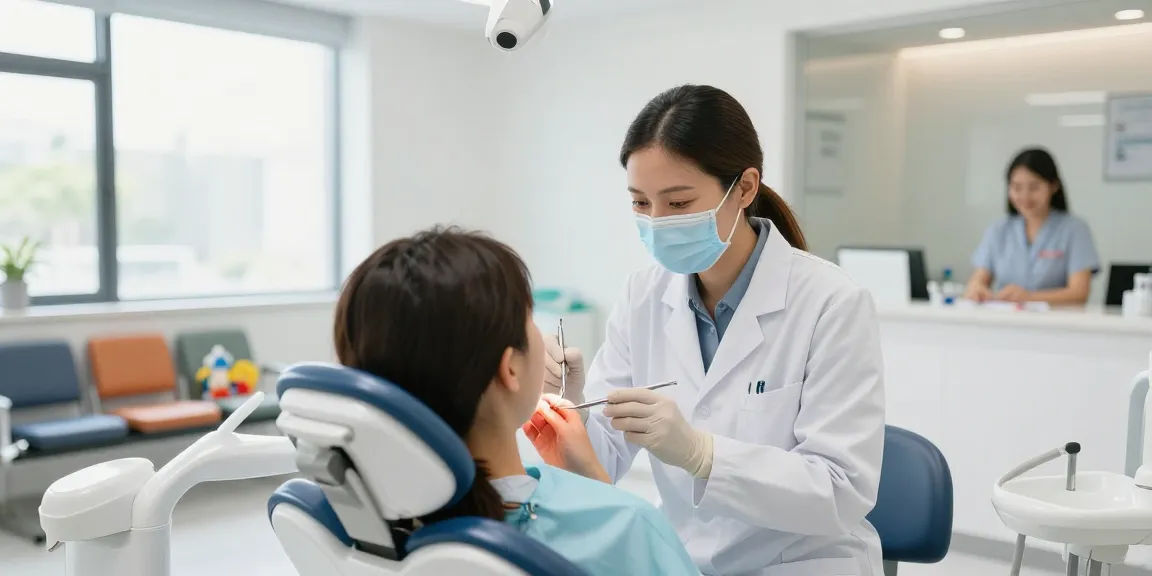
Understanding Dental Emergencies
Dental emergencies can happen to anyone, at any time, and often when you least expect it. Whether it’s a sudden toothache, an injury to your mouth, or a knocked-out tooth, knowing how to respond effectively is critical. In Mooresville and Statesville, NC, having access to an emergency dentist Mooresville nc can make all the difference in managing these urgent situations. Awareness of what constitutes a dental emergency and how to handle it can save your smile—and potentially your life.
What Constitutes a Dental Emergency?
A dental emergency typically includes any conditions that require immediate attention to alleviate pain, save a tooth, or prevent further complications. Situations such as severe tooth pain, abscessed teeth, or significant trauma to the mouth are considered emergencies. Conversely, routine issues like a loose filling or slight discomfort, while they may require treatment, do not usually necessitate immediate care.
Common Types of Dental Emergencies
- Severe Toothaches: Often indicative of infections or decay.
- Broken or Chipped Teeth: Can cause pain and sharp edges that may injure the tongue or gums.
- Knocked-Out Teeth: Timely action can sometimes save the tooth if it’s handled correctly.
- Abscesses: Infections that can result in swelling and fever, potentially spreading to other areas.
- Lost Fillings or Crowns: Can lead to further decay if not addressed swiftly.
Signs You Need an Emergency Dentist
Identifying when to seek emergency dental care can be crucial. Signs to look for include persistent pain that cannot be managed with over-the-counter medication, visible swelling around the mouth or jaw, bleeding that won’t stop, or any injury resulting in teeth being knocked out or displaced. If any of these symptoms occur, it’s important to contact an emergency dentist as soon as possible.
Choosing the Right Emergency Dentist
When a dental emergency strikes, knowing how to choose the right emergency dentist can alleviate some of the stress. The following aspects are vital in making your selection.
Qualities to Look for in an Emergency Dentist Mooresville NC
- Experience: Look for a dentist with a strong background in emergency dental care.
- Availability: An ideal emergency dentist should offer same-day appointments and flexible hours.
- Comprehensive Services: Ensure the practice offers a range of services to cater to various emergency situations.
- Patient-Centric Approach: Staff should be friendly, compassionate, and willing to answer any questions you may have.
Importance of Local Availability and Accessibility
Having a trusted local emergency dentist means timely access to care when it’s needed the most. Distance can hinder your ability to get prompt treatment, so selecting a dentist in Mooresville or Statesville reduces wait times and allows immediate action in case of emergencies.
Reading Reviews: What to Look For
Online reviews can provide invaluable insight into the experiences of other patients. Look for comments about the dentist’s responsiveness during emergencies, the quality of care provided, and the overall patient experience. High ratings and positive feedback can help assure you that you’re making the right choice for your dental health.
Preparation for Dental Emergencies
While you may never expect a dental emergency, being prepared can make all the difference. By taking proactive steps, you can reduce anxiety and improve your response to unexpected situations.
Creating an Emergency Dental Kit
Having an emergency dental kit readily available can facilitate immediate action during a crisis. Your kit should include:
- Dental wax to cover sharp edges of broken teeth
- Over-the-counter pain relievers
- Sterile gauze for bleeding
- A small container with a lid for any knocked-out teeth
- Contact information for your emergency dentist
Essential Contacts and Information to Have Ready
Keep a list of emergency contacts, including your dentist’s phone number and any medical conditions you may have. In addition, have a preferred pharmacy’s number on hand for quick access to pain relief or other medications as needed.
How to Identify When Immediate Action is Required
Understanding when to seek immediate dental help is crucial. If you experience severe pain that affects your daily activities, visible bleeding from the mouth, or swelling that makes it difficult to breathe or swallow, it’s time to seek help immediately. Don’t hesitate to contact your dentist or visit the nearest emergency dental facility.
What to Expect During Your Visit
Knowing what will happen during your emergency dental visit can reduce anxiety and help you feel more prepared.
Initial Assessment and Diagnosis
Upon arrival, the dentist will perform a thorough examination, often using X-rays to identify underlying issues. They will ask about your symptoms and the circumstances surrounding your dental emergency to accurately assess the situation.
Treatment Options for Common Emergencies
Treatment will vary depending on the nature of your emergency. Options may include:
- Pain relief and medication for infections.
- Fillings or crowns for damaged or decayed teeth.
- Surgical options for severe trauma or abscess.
- Instructions for at-home care post-treatment.
Post-Treatment Care Instructions
Following your treatment, your dentist will provide specific aftercare instructions to ensure proper healing. This may include recommendations for managing pain, dietary restrictions, or follow-up appointments.
Maintaining Oral Health to Prevent Emergencies
While dental emergencies can be unpredictable, there are proactive measures you can take to minimize your risk.
Regular Check-ups: Importance for Oral Health
Routine dental check-ups allow your dentist to catch potential issues before they escalate into emergencies. A preventive approach helps monitor your oral health and provides timely interventions as needed.
Best Practices for Oral Hygiene
- Brush at least twice daily with fluoride toothpaste.
- Floss daily to remove plaque between teeth.
- Limit sugary foods and drinks, which can lead to decay.
- Wear a mouthguard during sports activities to protect your teeth.
When to Seek Preventive Care Over Emergency Services
While some issues necessitate immediate care, others can wait for a scheduled appointment. If your dental issue is causing discomfort but isn’t severe, it’s generally better to seek preventive care rather than rushing to the emergency room.
Frequently Asked Questions
What should I do if I have a dental emergency?
Remain calm and assess the situation. If it’s safe to do so, contact your emergency dentist for guidance. They may instruct you on managing pain or controlling bleeding until you can receive treatment.
How can I tell if my dental issue is urgent?
If you experience severe pain, uncontrolled bleeding, or disruption to normal functions like eating or speaking, it’s advisable to seek emergency care.
Do I need insurance for emergency dental care?
While insurance can help cover the costs, many dental practices, including Calm Waters Dentistry, offer flexible payment options for those without insurance.
How can I find an emergency dentist near me?
Search online for local emergency dentists in your area, or consult with friends and family for recommendations.
What should I expect if I visit an emergency dentist?
You can expect a quick and thorough assessment of your condition, followed by appropriate treatment aimed at alleviating pain and resolving the issue at hand.