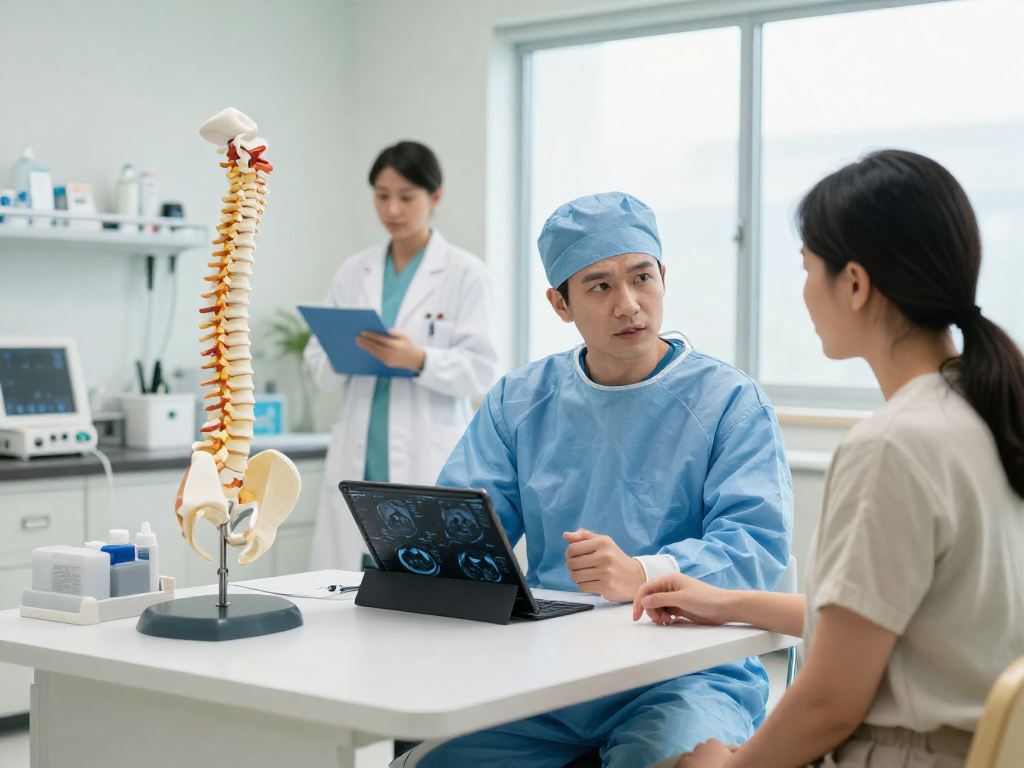
Understanding Bel fıtığı and Its Implications
Bel fıtığı, which translates to herniated disc in English, is a prevalent condition affecting individuals worldwide, often manifesting as severe pain that radiates from the lumbar region down to the legs. This condition occurs when the soft material inside a spinal disc protrudes through a tear in the tougher exterior, potentially impacting surrounding nerves and causing significant discomfort or neurological issues. The conversation surrounding Bel fıtığı ameliyatı is essential, as understanding when and how surgical intervention is necessary can aid in effective recovery and overall quality of life.
What is Bel fıtığı?
Bel fıtığı is characterized by the displacement of disc material that can compress spinal nerves, leading to pain, numbness, or weakness in the limbs. Often referred to as a slipped or ruptured disc, it commonly affects the lower back region. The lumbar spine, being burdened with the majority of the body's weight, is particularly susceptible to injury and degeneration over time.
Symptoms and Diagnosis of Bel fıtığı
The symptoms of bel fıtığı can vary widely from person to person, depending on the severity and location of the herniation. Common symptoms include:
- Shooting pain down the leg (sciatica)
- Numbness or tingling in the affected area
- Weakness in the legs or feet
- Difficulty standing or walking
Diagnosis typically involves a thorough medical history, physical examination, and imaging tests such as MRI, which help visualize the affected discs and identify nerve compression.
Non-Surgical Treatments for Bel fıtığı
Before considering surgery, a range of non-surgical treatments can provide relief for patients suffering from bel fıtığı. These treatments aim to alleviate pain and restore function while minimizing risks associated with invasive procedures.
Initial Management Strategies
The first step in managing bel fıtığı often includes conservative measures. Patients may find relief through:
- Rest and limited activity for a few days
- Application of heat or ice to reduce inflammation and pain
- Over-the-counter pain medications such as ibuprofen or acetaminophen
These methods can help to manage acute symptoms before progressing to more intensive therapies.
Physical Therapy Approaches
Physical therapy is a critical component in the treatment of bel fıtığı. A structured therapeutic program can include:
- Strengthening exercises to stabilize the spine
- Flexibility exercises to improve range of motion
- Postural training to alleviate stress on the spine
Therapists may also employ modalities such as ultrasound or electrical stimulation to further enhance recovery.
Medications and Pain Management
In addition to over-the-counter medications, healthcare providers may prescribe stronger pain relievers or anti-inflammatory drugs if necessary. Muscle relaxants can also be used to relieve muscle spasms that often accompany bel fıtığı.
Indications for Bel fıtığı ameliyatı
While many patients find relief through conservative treatments, there are specific scenarios where bel fıtığı ameliyatı becomes necessary. Understanding these indications is crucial for optimizing patient outcomes.
Emergency Situations: Cauda Equina Syndrome
One of the most critical emergencies associated with bel fıtığı is Cauda Equina Syndrome, characterized by severe nerve compression that can lead to:
- Loss of bladder and bowel control
- Significant weakness in the legs
- Perineal numbness
This condition requires immediate surgical intervention to prevent permanent neurological damage.
Chronic Pain and Functional Limitations
Patients who experience persistent pain that does not respond to conservative treatments for an extended period may also be candidates for surgery. If the pain leads to substantial limitations in daily activities or work, surgery may provide a necessary solution.
Criteria for Surgical Intervention
Before proceeding with surgery, several criteria must be met, including:
- Continued pain despite non-surgical treatments for at least six weeks
- Presence of significant neurological deficits
- Patient's overall health status and preferences
Techniques and Innovations in Bel fıtığı ameliyatı
With advancements in medical technology, the approach to bel fıtığı ameliyatı has evolved significantly. Minimally invasive techniques now allow for improved recovery times and lower complication rates.
Minimally Invasive Surgical Options
Minimally invasive surgeries, such as microdiscectomy or endoscopic procedures, involve smaller incisions and reduced tissue damage compared to traditional open surgeries. These techniques often lead to faster recovery and less postoperative pain.
Mikrocerrahi vs. Endoscopic Approaches
Both mikrocerrahi and endoscopic techniques offer distinct advantages. Mikrocerrahi utilizes a microscope for enhanced visibility and precision, while endoscopic surgery employs a camera to guide the procedure. The choice between these methods depends on the specifics of the herniation and the surgeon's expertise.
Expected Outcomes and Benefits
Surgery generally yields positive outcomes, including:
- Immediate relief from pain and discomfort
- Restoration of nerve function and mobility
- Improved quality of life and ability to return to daily activities
Patients typically report high satisfaction rates post-surgery, especially when timely intervention is undertaken.
Recovery and Rehabilitation Post-Surgery
The recovery phase following bel fıtığı ameliyatı is paramount for ensuring long-term success. Understanding the stages of recovery can help patients prepare for their rehabilitation journey.
Initial Recovery Phases
Immediately after surgery, patients are usually monitored for complications and transitioned to a recovery area. Pain management protocols will be initiated to alleviate discomfort. Initial mobility may be limited, but physical therapists will guide patients through movement exercises to promote healing.
Long-term Rehabilitation Techniques
As healing progresses, patients will engage in structured rehabilitation programs focusing on:
- Strengthening the core and back muscles
- Improving flexibility and range of motion
- Re-establishing functional movement patterns
Consistency in rehabilitation is critical to prevent recurrence of symptoms and enhance overall spine health.
Monitoring and Follow-up Care
Regular follow-up appointments help track recovery progress, manage any persistent symptoms, and adjust rehabilitation plans as needed. Imaging studies may be repeated to ensure proper healing of the surgical site.
What are the signs that I need Bel fıtığı ameliyatı?
Patients should be vigilant for signs indicating the necessity for surgery, including worsening pain, significant weakness, or loss of bladder and bowel control. Prompt consultation with a specialist is essential in these scenarios.
How long does recovery from Bel fıtığı ameliyatı take?
Recovery times can vary based on the individual, surgical technique, and adherence to rehabilitation. Generally, patients can expect to resume light activities within a few weeks, while complete healing may take several months.
Are there risks involved with Bel fıtığı ameliyatı?
As with any surgical procedure, risks exist, including infection, bleeding, and the possibility of recurrent symptoms. Discussing these risks with the surgical team can help set appropriate expectations.
What is the difference between Mikrocerrahi and traditional surgery?
The primary distinction lies in the size of the incisions and tissue preservation. Mikrocerrahi is less invasive, reduces recovery time, and minimizes postoperative pain compared to traditional open surgeries, which require larger incisions and more extensive tissue manipulation.
What can I do to prevent Bel fıtığı recurrence?
Preventative measures include regular exercise, maintaining proper posture, using ergonomic furniture, and engaging in activities that promote core strength and flexibility. For more information, Bel fıtığı ameliyatı offers valuable insights. Education about body mechanics can significantly reduce the risk of recurrence.