
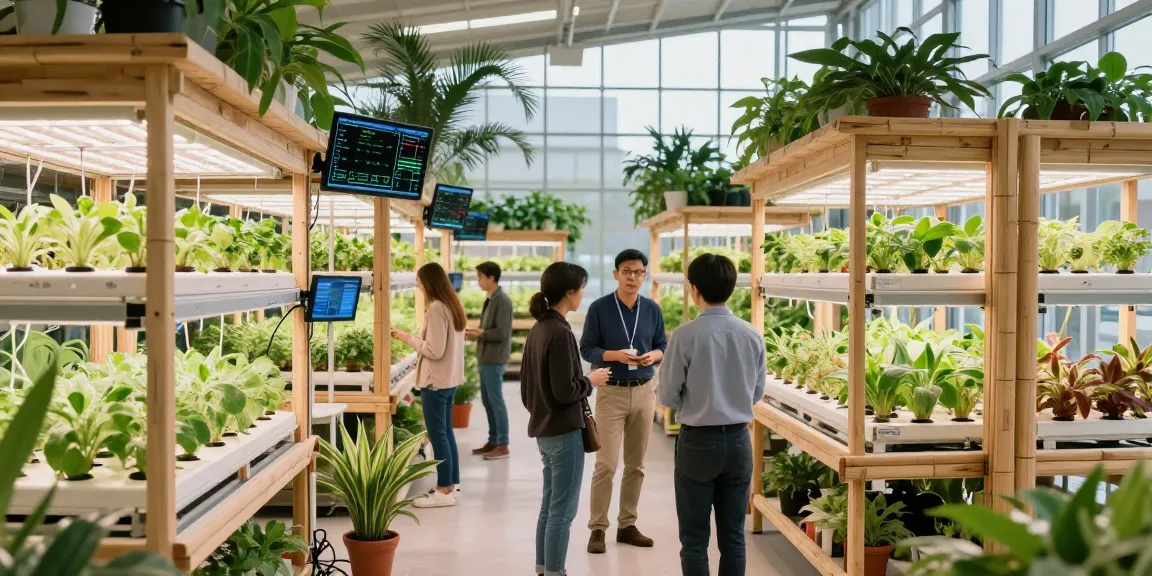
Understanding CIKA4D in Modern Indoor Agriculture
Indoor agriculture has emerged as a revolutionary method for producing food in controlled environments, offering numerous advantages such as reduced reliance on weather conditions, optimal resource utilization, and the ability to grow crops year-round. One of the pioneering solutions in this field is CIKA4D, a comprehensive design and construction service for facilities tailored specifically for indoor agriculture. This innovative approach not only enhances productivity but also addresses various operational challenges faced by agricultural businesses today. When exploring options, cika4d provides comprehensive insights into how facility design can transform indoor farming.
What is CIKA4D and Its Role in Indoor AG?
CIKA4D stands for a modern approach to designing and constructing indoor agricultural facilities. It encompasses various technologies and methodologies that facilitate the creation of environments ideal for growing crops without the constraints of outdoor farming. Through precise control of climate conditions, lighting, and irrigation, CIKA4D allows for the maximization of crop yield and quality. Its primary role is to create systems where plants can thrive in optimal conditions, significantly enhancing efficiency and sustainability in the agricultural sector.
Key Features of CIKA4D Solutions
The hallmark of CIKA4D lies in its innovative design features tailored for indoor agriculture. Some of these include:
- Advanced Climate Control: Systems designed to regulate temperature, humidity, and CO2 levels, creating stable conditions for plant growth.
- Efficient Lighting Systems: Utilization of LED technology that mimics natural sunlight and enhances photosynthesis while minimizing energy consumption.
- Automated Watering Systems: Precision irrigation techniques that ensure water efficiency and nutrient delivery to plants.
- Modular Design: Flexibility in facility design that allows for easy expansion or modification as agricultural needs change.
- Integration of Smart Technology: Use of IoT devices for monitoring and managing growth conditions remotely.
Benefits of Using CIKA4D in Facility Design
The implementation of CIKA4D solutions offers numerous benefits:
- Increased Crop Yield: By creating optimum growth environments, CIKA4D enhances the quantity and quality of produce.
- Resource Efficiency: Effective use of water and energy leads to cost savings and a lower environmental impact.
- Year-Round Production: Facilities designed with CIKA4D can grow crops regardless of seasonal changes, ensuring a steady supply of produce.
- Mitigation of Disease: Controlled environments reduce the risk of pest infestations and diseases.
- Sustainability: CIKA4D promotes eco-friendly practices, making it aligned with modern agricultural sustainability goals.
Innovative Design Approaches with CIKA4D
Emphasizing Sustainability in Indoor Agriculture Design
Sustainability is at the core of CIKA4D’s philosophy. The design approaches employed reduce environmental footprints while maximizing productivity. Techniques such as vertical farming and hydroponics minimize land usage and water consumption, enabling higher outputs from smaller spaces. Additionally, using renewable energy sources in facility operations aligns with global sustainability efforts, making CIKA4D a leader in eco-conscious agricultural practices.
Technology Integration: Smart Features of CIKA4D
CIKA4D incorporates cutting-edge technologies that streamline operations and enhance farming practices. These include:
- Data Analytics: Collecting and analyzing data from environmental sensors helps in making informed decisions about crop management.
- Remote Monitoring: Farm managers can oversee growth conditions through mobile applications, allowing for timely adjustments in strategies.
- Automated Systems: Automation reduces labor costs and human error while ensuring consistent care for crops.
Case Studies of CIKA4D Projects: Success Stories
Several successful implementations of CIKA4D solutions highlight its efficacy in real-world scenarios. For instance:
One notable case was a multi-tiered vertical farming facility established in an urban area, which used CIKA4D’s design principles to transform an abandoned warehouse into a fruitful agricultural space. With features such as optimized lighting, extensive climate control systems, and hydroponic setups, the facility achieved a yield increase of 50% compared to traditional growing methods. This project not only revitalized the local economy but also decreased the carbon footprint associated with transportation by sourcing food locally.
Challenges and Solutions in Implementing CIKA4D
Common Obstacles in Indoor Agriculture Projects
Despite its advantages, implementing CIKA4D solutions can present challenges, including high initial costs, technological integration hurdles, and the need for specialized knowledge in facility management. Furthermore, ongoing maintenance of advanced systems requires trained personnel, which can be a barrier for some operators.
How CIKA4D Addresses Design and Construction Issues
CIKA4D tackles these challenges by providing comprehensive support during the implementation phase. This includes financial planning assistance to help clients understand return on investment, extensive training programs for staff, and the design of user-friendly systems that simplify operations.
Best Practices for Successful Implementation
To maximize the effectiveness of CIKA4D solutions, businesses should consider the following best practices:
- Conducting Thorough Feasibility Studies: Prior to implementation, understanding the specific needs and limitations of the facility is vital.
- Investing in Staff Training: Well-trained personnel can operate systems efficiently and respond to issues promptly.
- Integrating Customer Feedback: Regular feedback loops with end-users can provide insights into operational improvements.
Future Trends in Indoor Agriculture and CIKA4D
Emerging Technologies and Their Impact
The future of indoor agriculture is poised for significant transformation, driven by emerging technologies such as artificial intelligence, machine learning, and biotechnology. These advancements will enhance predictive analytics for crop management, making it easier to anticipate growth patterns and manage resources effectively.
Predicted Changes in Indoor Agriculture Practices by 2026
Looking towards 2026, we can expect a shift towards even greater automation and data-driven approaches in indoor farming. Facilities will become more integrated with smart technologies, leading to highly optimized environments where environmental factors are adjusted automatically based on real-time data. Additionally, vertical farming will likely become more mainstream, reflecting a growing demand for sustainable food production in urban areas.
CIKA4D’s Vision for the Future of Indoor Farming
The vision of CIKA4D embraces the future of farming through continuous innovation and adaptation. By remaining at the forefront of technological advancements and agricultural practices, CIKA4D aims to set new standards for efficiency and sustainability in the industry. Their commitment to research and development ensures that their solutions evolve alongside the dynamic agricultural landscape, equipping farmers with the tools they need for success in a rapidly changing environment.
Frequently Asked Questions about CIKA4D
What makes CIKA4D different from other design solutions?
CIKA4D stands out due to its holistic approach to indoor agriculture, integrating advanced technology with innovative design to create tailored solutions that address specific operational needs.
How can CIKA4D improve energy efficiency?
Through smart lighting systems, optimized climate control, and precision irrigation, CIKA4D significantly reduces energy consumption while enhancing productivity, leading to overall cost savings.
What is the typical timeline for a CIKA4D project?
The timeline can vary depending on the project scale but typically ranges from several months to a year, including planning, construction, and installation phases.
Are CIKA4D solutions scalable for various facility sizes?
Yes, CIKA4D solutions are inherently scalable, designed to adapt to different facility sizes and types, ranging from small urban farms to large-scale commercial operations.
How to contact CIKA4D for consultation?
Interested parties can reach out through their official website or contact support channels directly to schedule a consultation and discuss their facility needs.
